


Exploring Geometric Architecture Designs in Modern Spaces

Modern architecture has embraced the power of shapes to create visually stunning and functional spaces. Among these, geometric architecture designs stand out for their ability to blend art with engineering. These designs use simple and complex shapes to form structures that are not only aesthetically pleasing but also highly practical. This article delves into how geometric shapes influence modern architecture, highlighting key examples and design principles.
The Role of Geometric Architecture Designs in Contemporary Buildings
Geometric architecture designs are more than just a trend; they are a fundamental aspect of how architects conceive and realize buildings today. These designs often incorporate triangles, squares, circles, and polygons to create dynamic forms that challenge traditional building shapes. The use of geometry allows for innovative solutions in space utilization, light management, and structural integrity.
For instance, the use of triangular forms can enhance the stability of a building, while circular shapes can promote fluid movement within spaces. Architects like David Dunn, Designer, have been pioneers in integrating these shapes into their projects, creating homes and commercial spaces that are both functional and visually captivating.

How Geometric Architecture Designs Influence Interior Spaces
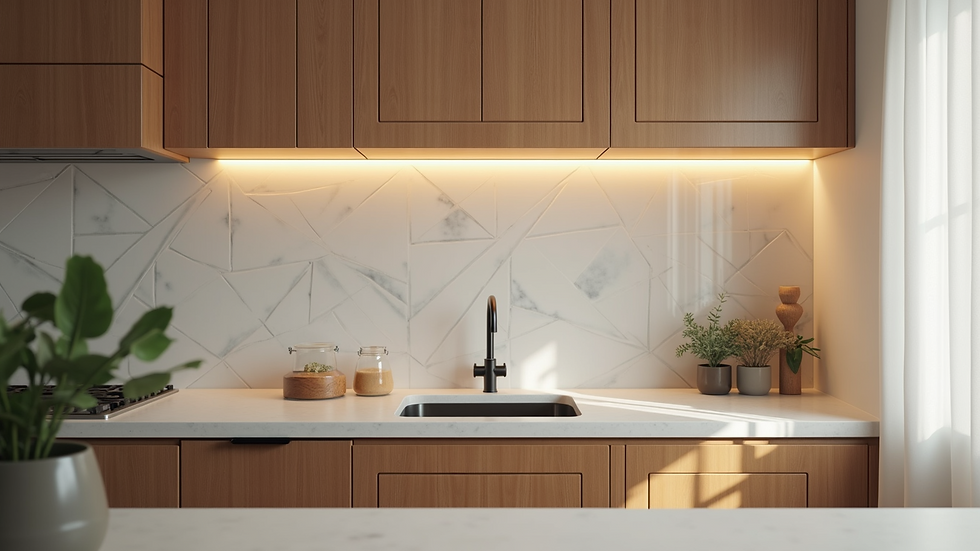
The impact of geometric architecture designs extends beyond the exterior of buildings. Interior spaces benefit greatly from the thoughtful application of geometric principles. Kitchens, for example, have seen a revolution with the introduction of modular cabinetry and countertops that follow geometric patterns.
Leicht - The Architectural Kitchen is a prime example of this trend. Their kitchen cabinets & cabinetry are designed with clean lines and geometric precision, offering both style and efficiency. The integration of geometric shapes in cabinetry not only maximizes storage but also enhances the overall aesthetic of the kitchen, making it a centerpiece of modern homes.
The Intersection of Functionality and Aesthetics in Geometric Designs
One of the most compelling reasons for the popularity of geometric architecture designs is their ability to marry functionality with aesthetics. Geometric shapes can be used to optimize natural light, improve airflow, and create flexible living spaces. This dual benefit is evident in many modern homes and commercial buildings.
For example, the use of hexagonal tiles in flooring or wall designs can create a visually interesting pattern while providing durability and ease of maintenance. Similarly, geometric windows and skylights can enhance natural lighting, reducing the need for artificial light during the day.
Practical Tips for Incorporating Geometric Shapes in Your Space
If you are considering incorporating geometric shapes into your architectural or interior design projects, here are some practical recommendations:
Start with a focal point - Choose a geometric shape that will serve as the centerpiece of your design, such as a hexagonal tile backsplash or a triangular window.
Balance complexity with simplicity - Use a mix of simple and complex shapes to avoid overwhelming the space.
Consider materials carefully - Different materials can highlight geometric shapes in unique ways, such as glass for transparency or wood for warmth.
Work with professionals - Collaborate with designers like David Dunn, Designer, or companies like Leicht - The Architectural Kitchen to ensure your vision is realized with precision.
Use cabinetry to enhance geometry - Kitchen cabinets & cabinetry can be customized to follow geometric patterns, adding both function and style.
Discovering Geometric Shapes in Architecture with PS212 HOME
For those interested in exploring more about geometric shapes in architecture, PS212 HOME offers a wealth of inspiration and resources. Their projects showcase how geometric forms can be integrated into modern living spaces, combining innovation with timeless design principles.
Whether you are designing a new home or renovating an existing space, understanding the role of geometric shapes can transform your approach to architecture and interior design. From the structural elements to the smallest details in cabinetry, geometry provides a framework for creativity and functionality.
Embracing geometric architecture designs opens up a world of possibilities for creating spaces that are both beautiful and practical. By studying examples from leading designers and companies, and applying thoughtful design principles, anyone can harness the power of geometry to enhance their living or working environment.


Comments